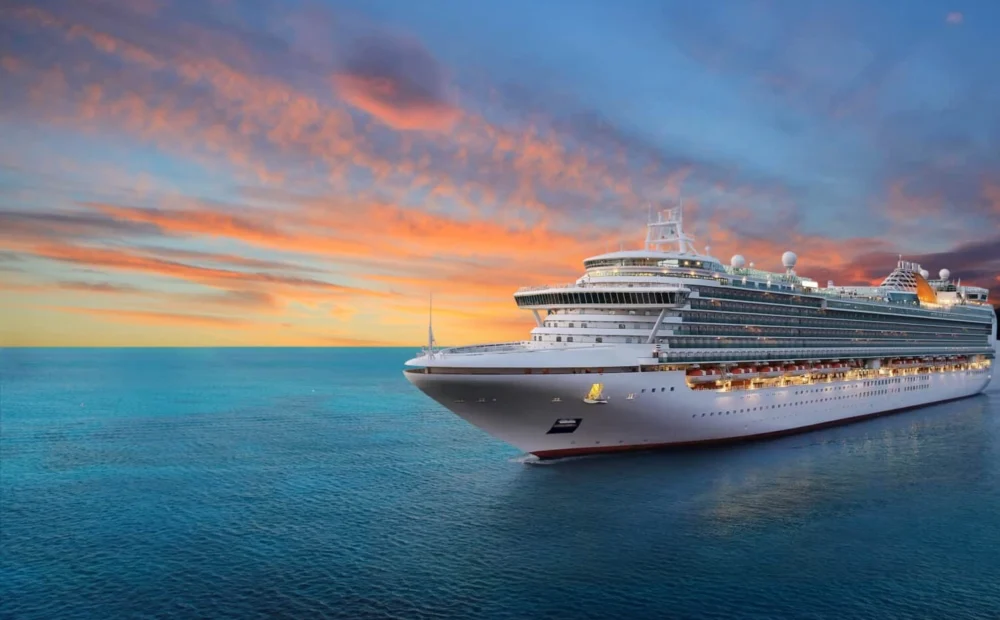
A 58-year-old contemplating retirement dreams of full-time cruising inspired by Mario Salcedo, a retiree who has enjoyed over 1,000 Royal Caribbean voyages. The appeal of a hassle-free life at sea—where meals are prepared, rooms regularly cleaned, and new ports await each week—often overshadows potential financial pitfalls. However, the underlying costs of such a lifestyle require thorough scrutiny.
Retirement on a cruise ship can be approached in two primary ways, each with distinct financial implications. The first entails regular back-to-back bookings with mainstream cruise lines, where annual costs range from $60,000 to $100,000 depending on cabin type, activities, and additional expenses. A solo retiree could budget approximately $85,000 annually for a year-round stay in a mid-tier cabin, taking advantage of loyalty rewards and early bookings.
Alternatively, one might invest in a residential cruise ship, like those offered by Villa Vie Residences or Storylines. Initial investments for cabin ownership can start at $130,000, with lifetime-use options exceeding $350,000, plus monthly fees around $2,000 to $5,000. While this may appear more economical long-term, the financial commitment poses unique risks, as the viability of private companies and their operational sustainability come into play.
Building a realistic budget for cruising retirement also requires factoring in less obvious costs. Health insurance can dramatically impact finances; for instance, Medicare may cease coverage when a ship is beyond six hours of a U.S. port. Thus, retirees must secure supplementary health plans, often running between $4,000 to $8,000 annually for couples. Additionally, it’s wise to account for emergency medical evacuation coverage, which can range drastically in costs.
The expenses do not end at sea. A land-based presence is necessary for things like mail services, storage, and potential stays during ship maintenance. This could amount to an additional $6,000 to $10,000 per year. Including some shore excursions and a reserve for taxes further contributes to the overall budget.
Considering all these factors, a couple can expect to need between $110,000 and $130,000 per year to maintain an optimal cruising lifestyle. Given inflation trends and rising service costs, it is prudent to prepare for even greater future expenditures.
When examining income, two retirees collecting Social Security at the average rate may bring in about $50,000 per year. To fill a $70,000 gap annually, a portfolio of approximately $2 million is recommended, based on a sustainable withdrawal rate of around 3.5%, which accommodates both inflation and anticipated healthcare costs.
Yet, the fundamental risk resides with the business model of residential cruise ships. A contract with such companies amounts to a long-term wager on their enduring success. Historical volatility within the cruise industry underlines the necessity of researching any potential operator, as their financial troubles could jeopardize one’s investment without the safety net offered in traditional real estate contexts.
In summary, for couples eyeing a cruise-based retirement, a solid portfolio supplemented by Social Security can provide the foundation needed for such lifestyles. However, a miscalculation in any aspect, coupled with reliance on unstable cruise operators, can turn a dream into a daunting financial reality.
Set sail on a voyage of discovery with CruiseShip.net – your ultimate destination for all things cruising! Explore the latest news, insightful reviews, and thrilling cruising adventures from around the globe. Whether you’re a seasoned cruiser or a first-time traveler, CruiseShip.net is your go-to source for expert advice, insider tips, and inspiring stories to fuel your wanderlust. Embark on a journey like no other with CruiseShip.net – where every wave brings new excitement and endless possibilities on the high seas.
