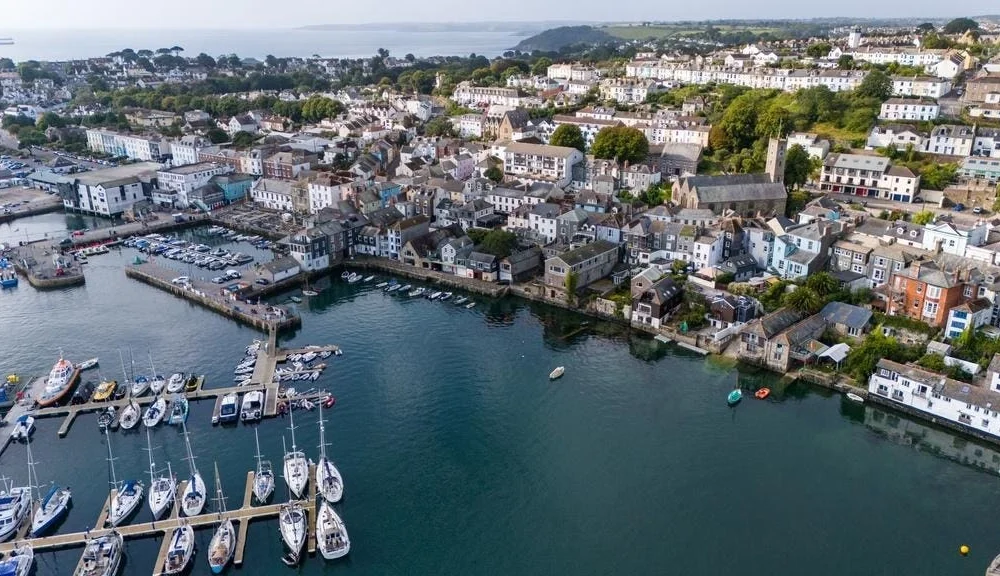
Falmouth, a picturesque Cornish town known for its historic waterfront and proximity to various attractions, is on the brink of a significant transformation. A proposal for a £150 million ($202 million) redevelopment of Falmouth Docks aims to allow much larger cruise ships to dock directly, potentially increasing annual cruise visitor numbers to 200,000 by 2030. Supporters argue that this redevelopment could enhance the local economy by bringing in more tourism revenue, while opponents raise concerns about the environmental impact on the town and surrounding marine areas.
Currently, Falmouth serves as a small player in the British cruise industry, accommodating around 60,000 passengers in 2025 via tender boats, since larger ships are unable to dock directly. If the redevelopment goes ahead, it would include extending and upgrading existing wharves and dredging areas to enable docking for ‘Excellence-class’ cruise ships, which can carry approximately 5,400 passengers.
The project isn’t solely focused on cruise ships; it also includes essential updates to aging infrastructure and the development of cargo facilities to support the emerging floating offshore wind industry. The British government has endorsed the plans, emphasizing their potential to create skilled jobs and bolster the local economy by an estimated £13 million ($17.5 million) annually.
However, the proposed dredging of 643,000 cubic meters of sediment from the Fal Estuary raises environmental concerns. Cornwall Wildlife Trust has officially objected to the plan, arguing that more comprehensive environmental assessments are necessary to understand the potential risks to local marine life, such as seagrass and the native oyster fishery. In response, the developers contend that their plans involve targeted dredging rather than broader operations and assure that unsuitable materials would be removed rather than disposed of at sea.
A significant consideration is how the arrival of thousands of passengers from large cruise ships would impact both the town and its residents. Estimates suggest that two such ships could bring over 10,000 passengers to Falmouth in a single day, leading local businesses to see a surge in customers, while simultaneously changing the experience for residents and other visitors who may prefer the town’s current, more tranquil atmosphere.
As cruise ships have grown considerably larger over the past two decades, smaller ports like Falmouth are pushed to adapt to attract business. This raises a broader question for cruise destinations: is it worth investing in larger infrastructure to accommodate these ships, or does it compromise the qualities that make a destination appealing? Adapting may bring economic benefits and ease passenger transfer, but it remains uncertain what impact this growth will have on the town’s unique character and the overall cruise experience.
For further reading on the implications of cruise tourism and the environment, check out the following articles:
- British Isles Cruises Offer A Simple Way To See A Complex Region
- Could Cruise Lines Be Forced to Rethink Size as Europe Pushes Back?
- Why Norway Cruises Could Get More Expensive From 2027
Set sail on a voyage of discovery with CruiseShip.net – your ultimate destination for all things cruising! Explore the latest news, insightful reviews, and thrilling cruising adventures from around the globe. Whether you’re a seasoned cruiser or a first-time traveler, CruiseShip.net is your go-to source for expert advice, insider tips, and inspiring stories to fuel your wanderlust. Embark on a journey like no other with CruiseShip.net – where every wave brings new excitement and endless possibilities on the high seas.
