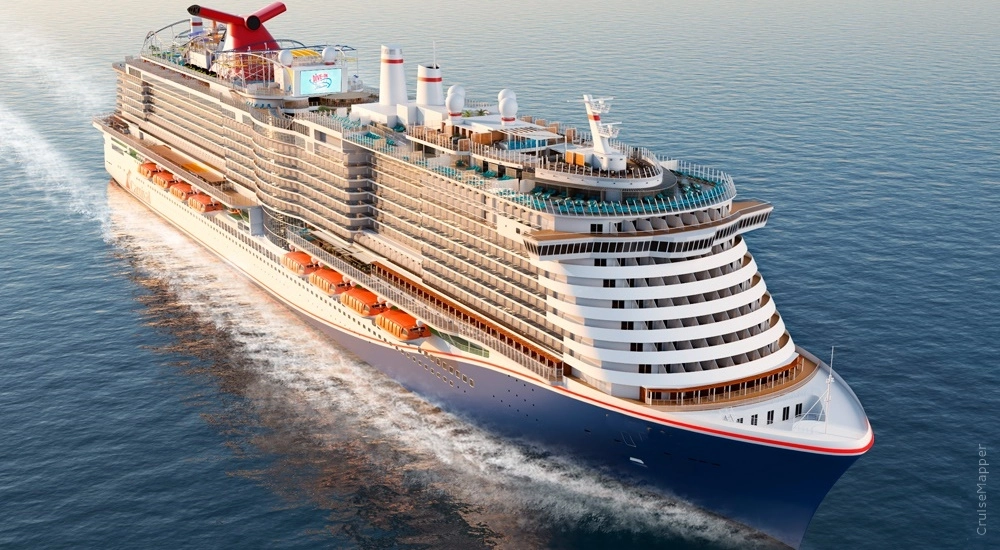
Carnival Corporation has recently announced a reduction in its annual profit forecast due to rising fuel costs, which have significantly impacted the cruise operator’s profit margins amid global geopolitical tensions affecting energy markets.
Fuel prices have surged following attacks on oil and transportation facilities in the Middle East, as well as disruptions in energy flows through the Strait of Hormuz — a key shipping route responsible for transporting about one-fifth of the world’s oil supply. This ongoing conflict, particularly that involving Iran, has tightened supply, leading to increased crude oil prices and higher operational costs for energy-dependent industries like maritime passenger transport.
The cruise industry primarily relies on heavy fuel oil and marine gas oil to operate its vessels. While many companies use hedging strategies to stabilize fuel costs, Carnival remains the only major U.S.-based cruise line that does not engage in such practices, making it more vulnerable to fluctuations in oil prices.
As a result, Carnival has revised its expectations for full-year adjusted earnings to approximately $2.21 per share, down from its previous guidance of up to $2.48 per share. This prediction assumes that Brent crude oil will average around $90 per barrel for the rest of April and May, dipping to $85 in Q3 and $80 in Q4, rather than aligning with current spot market prices.
Following the announcement, Carnival’s shares (CCL) fell about 3% in early trading and have decreased nearly 17% since the start of the year.
Despite these challenges, company leadership noted that reservations for 2026 have risen by double digits, enhancing what was already described as record booking levels for the year. Strong demand for cruises has contributed to favorable revenue performance, with the company exceeding market expectations for its first-quarter revenue and profits.
Carnival expects operational improvements, including increased yields and lower non-fuel operating expenses, to generate around $150 million in gains, which will help mitigate the over $500 million in additional fuel costs projected for the year. The company also unveiled a $2.5 billion share buyback program.
Other companies in the sector, such as Norwegian Cruise Line Holdings and Royal Caribbean Group, are also bracing for potential impacts from fuel cost uncertainties, though Royal Caribbean has projected profits above estimates, citing robust early demand during peak booking seasons.
Set sail on a voyage of discovery with CruiseShip.net – your ultimate destination for all things cruising! Explore the latest news, insightful reviews, and thrilling cruising adventures from around the globe. Whether you’re a seasoned cruiser or a first-time traveler, CruiseShip.net is your go-to source for expert advice, insider tips, and inspiring stories to fuel your wanderlust. Embark on a journey like no other with CruiseShip.net – where every wave brings new excitement and endless possibilities on the high seas.
