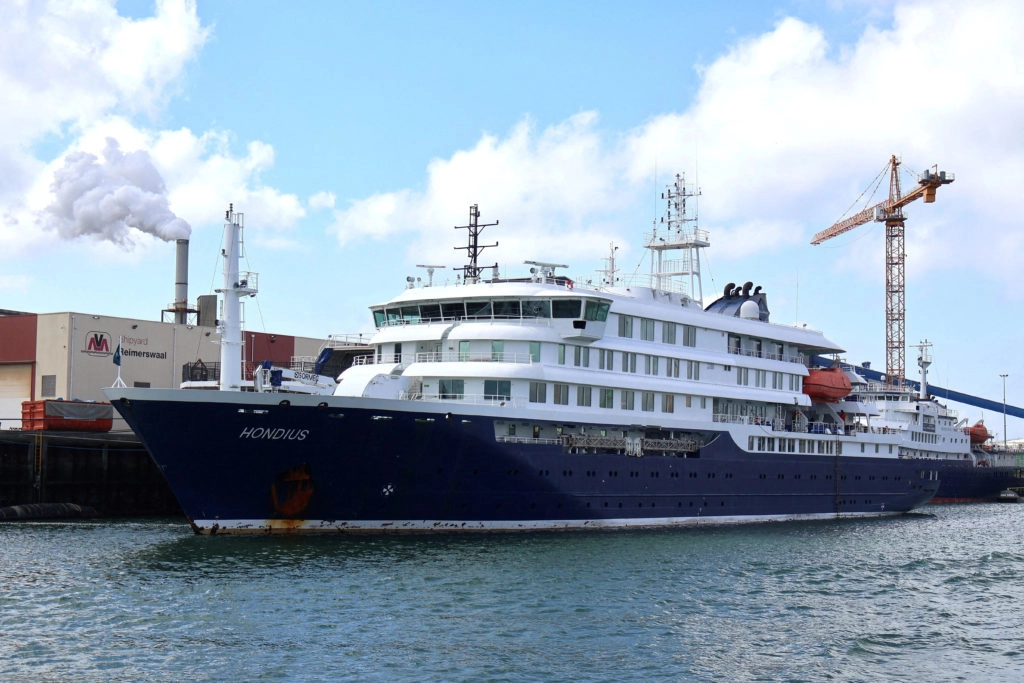
The MV Hondius, a Dutch cruise ship, is currently facing a significant health crisis due to a hantavirus outbreak. The incident began on May 4, 2026, when the World Health Organization confirmed a total of seven infections and reported three fatalities since the outbreak’s start in early April. An additional case was noted on May 6, while three ill passengers were evacuated on May 7 as the ship headed toward the Canary Islands.
The hantavirus is a group of viruses typically found in rodents, which can spill over into humans, causing severe disease. There are two primary types: Old World hantaviruses, generally affecting the kidneys, and New World hantaviruses, such as the Andes virus, which are more fatal and impact the lungs. Symptoms can worsen rapidly, leading to lung and heart failure. Affected individuals may develop symptoms from one week to eight weeks after exposure, with no specific treatment available apart from supportive care.
The outbreak is particularly concerning as it raises fears of human-to-human transmission, especially within the confined spaces of a cruise ship. Health officials are closely monitoring passengers who disembarked before the outbreak was recognized, with ongoing tracking of individuals who had close contact with infected persons.
Researchers suspect the initial infections occurred during activities in Argentina and Chile where the passengers may have encountered infected rodents or their droppings before boarding the cruise ship on April 1. The ship, carrying nearly 150 passengers, has so far reported no rodents onboard, making it less likely that the outbreak originated on the ship itself.
As the MV Hondius continues its journey to Spain, health authorities are implementing quarantine protocols for passengers potentially exposed to the virus. The situation remains precarious, but the general public risk outside the cruise ship is considered low, given that most hantavirus cases result from direct contact with rodents rather than being transmitted from human to human.
Health officials are urging vigilance and caution, particularly for travelers who may encounter new infection risks during their trips. The panorama of this outbreak underscores the critical need for awareness regarding infectious diseases, especially in unique travel settings.
For more detailed information on the virus, visit the CDC’s hantavirus page.
Set sail on a voyage of discovery with CruiseShip.net – your ultimate destination for all things cruising! Explore the latest news, insightful reviews, and thrilling cruising adventures from around the globe. Whether you’re a seasoned cruiser or a first-time traveler, CruiseShip.net is your go-to source for expert advice, insider tips, and inspiring stories to fuel your wanderlust. Embark on a journey like no other with CruiseShip.net – where every wave brings new excitement and endless possibilities on the high seas.
