Cruising has changed dramatically over the past five decades. Ships have grown from relatively simple vessels into floating resorts, and onboard experiences now range from high-tech cabins to theatrical shows and specialty dining. While these changes offer more choice and convenience, some longtime passengers miss the traditions that once made cruising feel more personal.
Ships have grown into floating resorts
Cruise ships in the 1970s were smaller, with fewer passengers and more modest facilities. Today, the largest vessels can accommodate thousands of guests and include water slides, multiple entertainment venues, and a wide array of activities. The scale brings more options, but also bigger crowds competing for popular spaces and reservations.
Dining is more flexible—and less fixed
Passengers once had assigned dinner times, tables, and waitstaff for the duration of a voyage. Shared meals often helped fellow travelers get to know one another. Many cruise lines now offer flexible dining, letting guests choose when and where to eat. The added freedom is convenient, though reservations may still be needed, and some travelers miss the familiarity of traditional seating.
Dress codes have relaxed
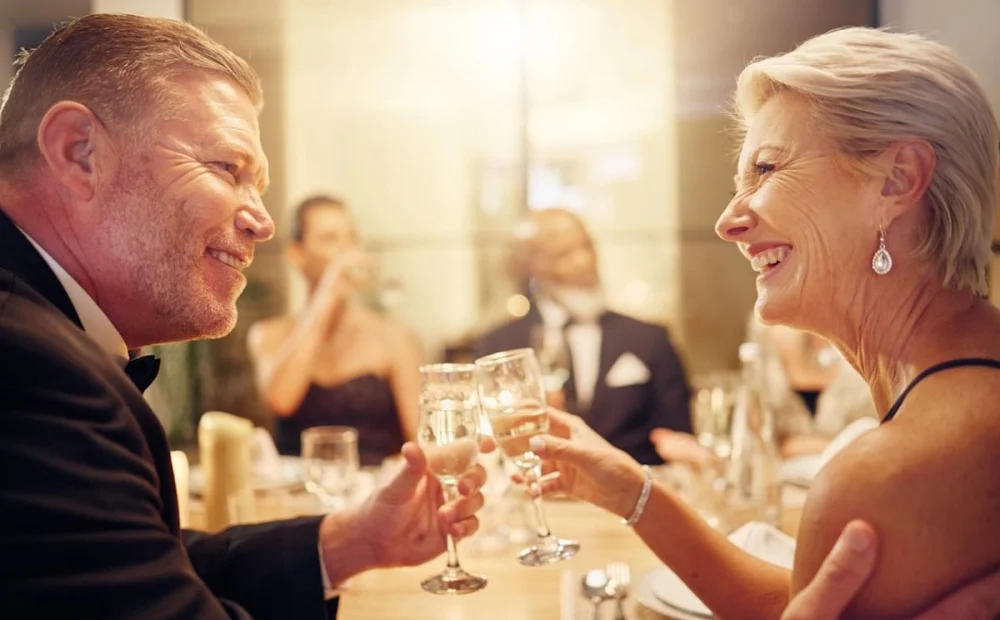
Formal nights used to be a highlight, with many passengers packing evening gowns, tuxedos, and dress shoes. Today, mainstream cruise lines tend to take a more casual approach, and smart-casual clothing is accepted in many venues. Guests can still dress up if they wish, but formalwear is less of a necessity.
Cabins have more technology and private balconies
Older cabins were mainly places to sleep, shower, and store luggage. Modern staterooms may include flat-screen TVs, USB ports, digital controls, and interactive services. Some ships also let guests manage parts of their trip on a smartphone.
Private balconies have become more widely available, too. Whereas they were once uncommon outside expensive suites, many ships now have rows of balcony cabins. They offer private sea views and outdoor space, but cost more than interior rooms—and may not be worth the upgrade on every itinerary.
Entertainment is bigger and more varied
Live music, cabaret, dancing, and variety shows remain part of cruising, but today’s ships may also feature large theater productions, ice-skating performances, diving shows, surf simulators, and climbing walls. Some attractions cost extra, and popular performances may require advance reservations.
Specialty restaurants can add to the bill
Meals in the main dining room were once central to the cruise fare. Modern ships offer a wider range of restaurants, including steakhouses, sushi spots, and seafood venues, often for an additional fee. Complimentary dining remains available, so checking what the fare covers can help avoid unexpected costs.
Midnight buffets have largely vanished
Elaborate midnight spreads once featured towering desserts, ice sculptures, carved fruit, and seafood displays. These buffets have mostly given way to longer dining hours and late-night snacks. The newer options may be more convenient, but the old-fashioned spectacle is largely gone.
Cruise apps have replaced many printed schedules
Passengers once relied on a printed daily newsletter for show times, activities, and port information. Cruise apps now put schedules, menus, reservations, and other services on a phone. That can make planning easier, especially on large ships, though travelers who want to unplug may prefer printed alternatives when available.
Itineraries reach more remote destinations
Caribbean and Mediterranean cruises remain popular, but travelers can also book expeditions to places such as Antarctica and the Galapagos Islands, as well as remote areas of Asia. These voyages can offer distinctive experiences, but they may be costly and physically demanding. Travelers should review the activities and conditions before booking.
Environmental systems have advanced, but impacts remain
Modern ships may use improved wastewater treatment, equipment to reduce some air pollutants, and systems to make fresh water onboard. The Cruise Lines International Association’s 2026 environmental reporting noted that 249 reporting ships had advanced wastewater treatment systems, up substantially from 2018. These developments mark progress, but cruise ships still use significant energy and affect the environments and communities they visit.
Shore excursions have become more varied
Cruise lines now offer a broad range of port activities, from cooking classes and wildlife trips to helicopter rides and private beach visits. Booking ahead can simplify planning, but excursions can add considerable expense. Independent tours may offer better value or smaller groups, but ships generally aren’t required to wait if an independently booked outing returns late. Checking timing, prices, and cancellation terms is important.
Set sail on a voyage of discovery with CruiseShip.net – your ultimate destination for all things cruising! Explore the latest news, insightful reviews, and thrilling cruising adventures from around the globe. Whether you’re a seasoned cruiser or a first-time traveler, CruiseShip.net is your go-to source for expert advice, insider tips, and inspiring stories to fuel your wanderlust. Embark on a journey like no other with CruiseShip.net – where every wave brings new excitement and endless possibilities on the high seas.
